Expertise
Infectious diseases
How bacteria and viruses establish themselves in a host, why some infections resist treatment, and what that means for the people who get them.
Described in words
A folded RNA structure stays closed across cool temperatures and opens sharply once the surrounding temperature passes body temperature, allowing the message beneath it to be read.
Infections are not accidents of bad luck alone. A pathogen has to arrive, survive, find a place to grow, and evade or outpace the body's defences — and each of those steps can be studied, interrupted or predicted.
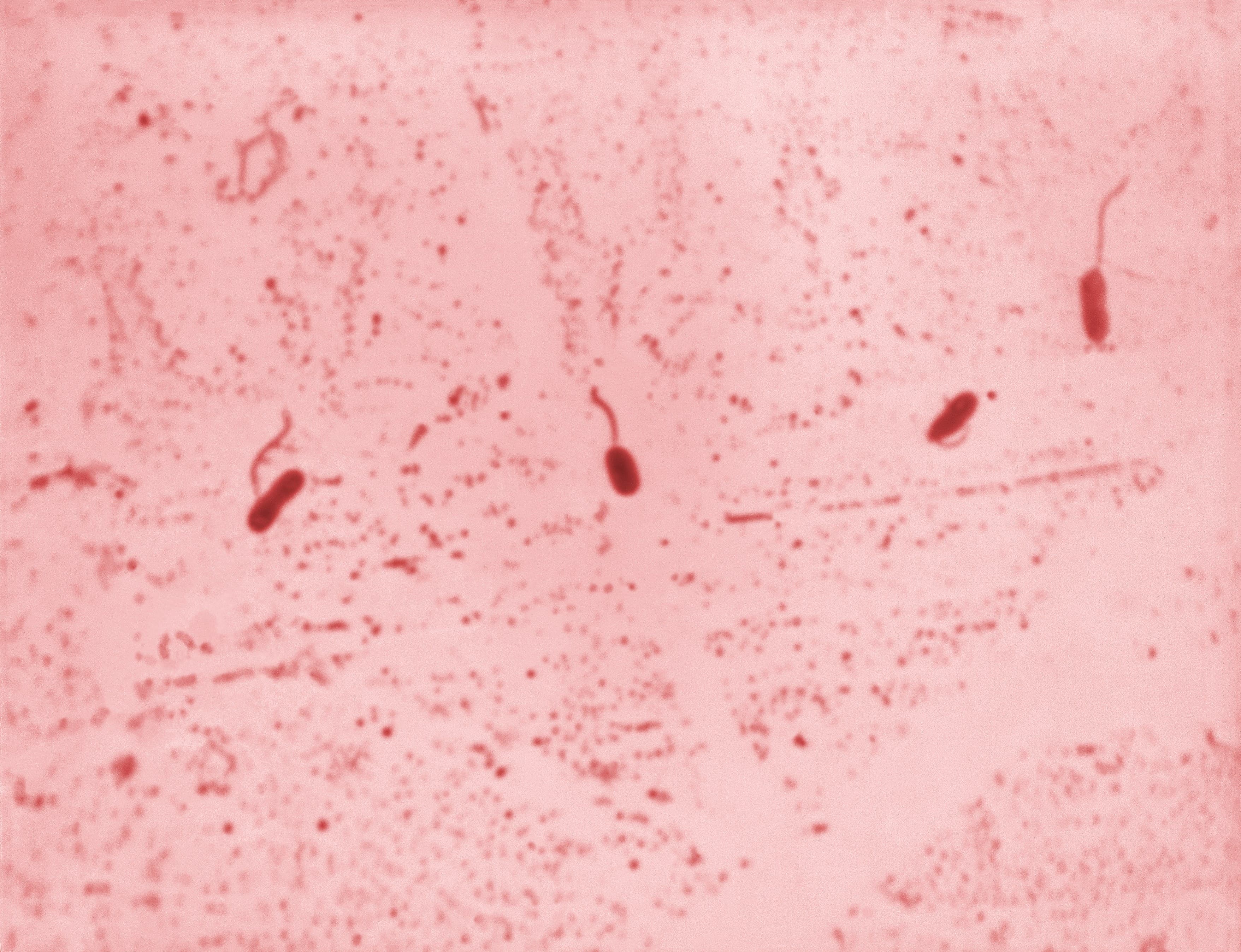
My laboratory work looked closely at one part of that story: how a bacterium knows it has arrived somewhere new. In Vibrio cholerae, the organism that causes cholera, a stretch of RNA acts like a thermometer. In cool water it stays folded shut. At the temperature of the human body it relaxes, and the instructions underneath become readable. The bacterium does not decide anything; the physics of the molecule does the deciding for it.
Why this way of thinking matters outside the laboratory
Understanding the switches an organism uses is what makes it possible to design a drug that jams one, a diagnostic that detects one being thrown, or a vaccine that prepares the immune system for what happens next.
Related publications
- Targeted laser therapy synergistically enhances efficacy of antibiotics against multi-drug resistant Staphylococcus aureus and Pseudomonas aeruginosa biofilms
Nanomedicine: Nanotechnology, Biology, and Medicine · 2019
- RNA thermometer controls temperature-dependent virulence factor expression in Vibrio cholerae
Proceedings of the National Academy of Sciences of the United States of America · 2014
- N-terminal residues of the Vibrio cholerae virulence regulatory protein ToxT involved in dimerization and modulation by fatty acids
The Journal of Biological Chemistry · 2011
- Identification of residues critical for the function of the Vibrio cholerae virulence regulator ToxT by scanning alanine mutagenesis
Journal of Molecular Biology · 2007